
Custom Silicone Extruded Seals
Profiles With Post Processing
Profiles With Post Processing
 ESMAI
ESMAI
 Apr 16,2026

In the power battery sector of new energy vehicles, sealing strips serve as core components that ensure the safe and stable operation of battery packs, undertaking multiple critical functions including dust prevention, waterproofing, flame retardancy, and shock absorption. At present, high-performance sealing strips and custom silicone foam gaskets for EV battery on the market are mostly made of liquid foamed silicone foam. With its fine closed-cell structure, high resilience, high temperature resistance and excellent sealing performance, this material fully meets the stringent sealing standards for battery enclosures. The following article will break down the standardized production process of new energy vehicle battery sealing strips and custom silicone foam gaskets for EV battery from raw material foaming to finished product molding, elaborating on the precision control and quality management of each process.
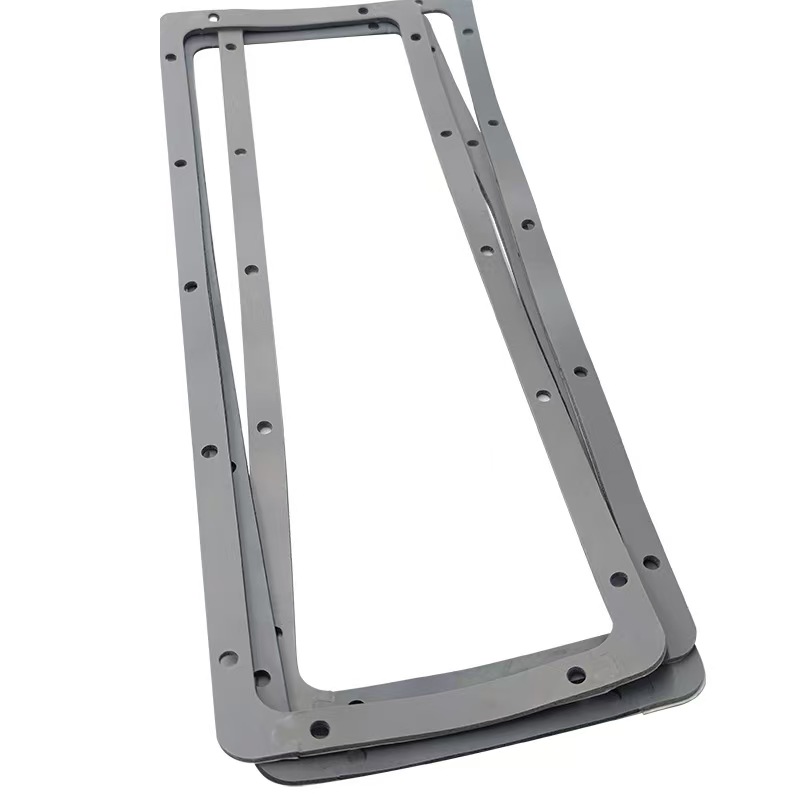
The substrate of new energy vehicle battery sealing strips is made of special two-component liquid silicone raw materials, adopting a precision liquid foaming process throughout the production, which is the core step to guarantee the performance of sealing strips. Different from traditional solid foaming processes, liquid foaming can achieve a more uniform and delicate closed-cell structure, while ensuring ultra-smooth surfaces on both sides of the substrate, eliminating the problem of poor sealing effect caused by uneven cells or rough surfaces.
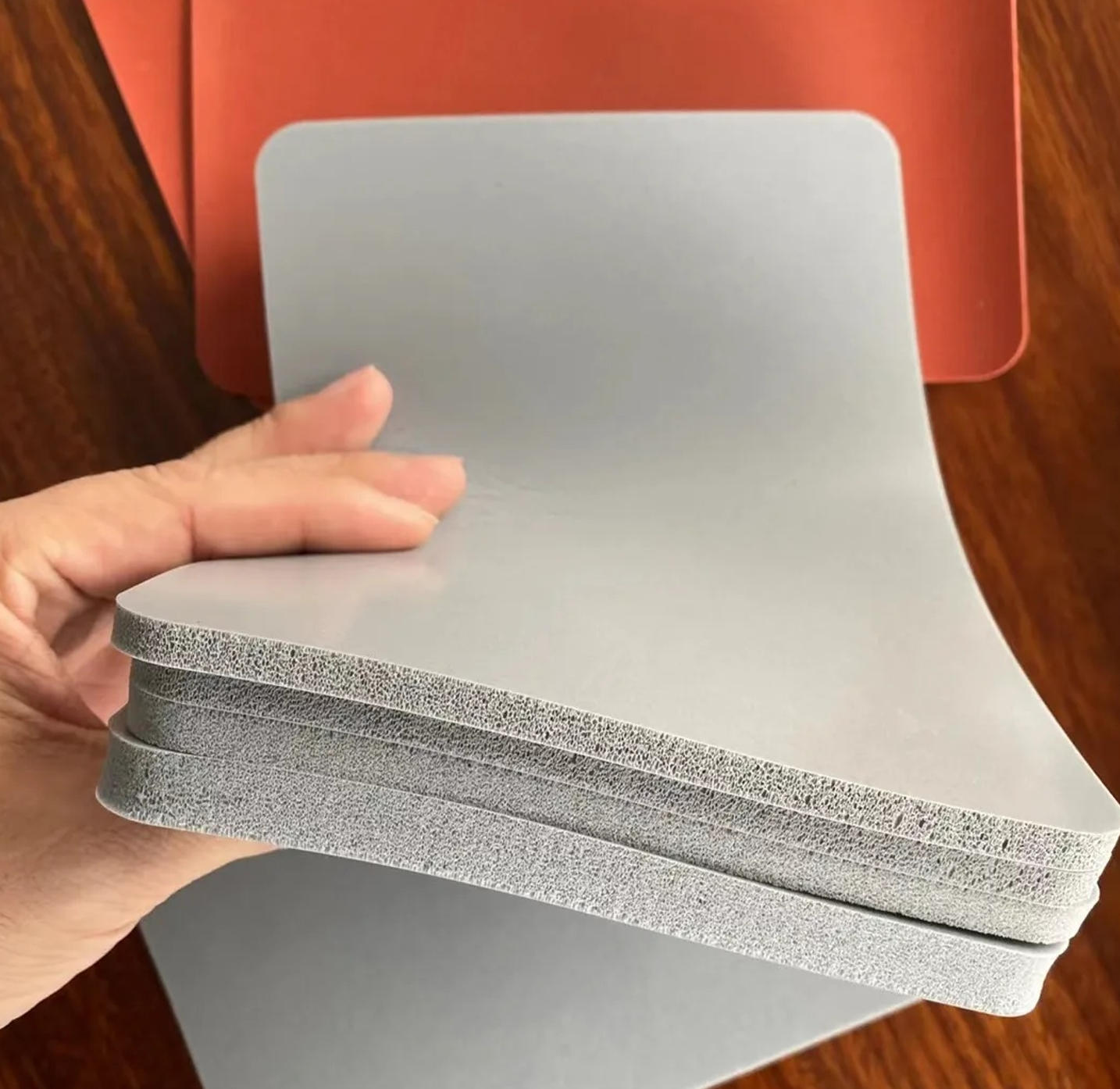
The equipment adopts closed-loop temperature control and uniform material injection throughout the process, ensuring uniform foaming and smooth surfaces of the silicone foam substrate. The molded substrate is free of defects and has consistent density, complying with the stringent requirements for sealing substrates of new energy vehicle batteries.
In the early production stage, component A and component B of liquid silicone are mixed in an accurate proportion, and fully stirred and blended through fully automatic mixing equipment. The stirring speed and duration are strictly controlled to prevent air bubbles from mixing into the raw materials and affecting the uniformity of subsequent foaming. After mixing, the liquid rubber compound is evenly injected into special foaming molding equipment, and the foaming temperature and duration are precisely regulated by the temperature control system to synchronize the foaming and curing of the rubber compound.
Foaming parameters are finely controlled throughout this process. The final molded silicone foam substrate features a uniform closed-cell structure with dense and non-interconnected cells and consistent density. It also boasts excellent tensile strength, high resilience, toughness, a high temperature resistance of up to 200°C, and inherent flame retardancy, fully meeting the high temperature resistance and flame retardant safety requirements of new energy vehicle battery packs and laying a premium material foundation for custom silicone foam gaskets for EV battery. The molded substrate has smooth and flat surfaces without burrs or unevenness, laying a solid foundation for subsequent adhesive backing and cutting processes.
After the silicone foam substrate is molded and inspected to be qualified, it enters the adhesive backing processing stage. In response to the application requirements of new energy vehicle battery pack sealing scenarios, special high-viscosity, high temperature resistant and waterproof adhesive backing is selected, and automatic adhesive backing equipment is used throughout the operation to ensure uniform, bubble-free, warping-free and missing-free bonding of the adhesive layer.
The above picture shows the operation scene of a fully automatic adhesive backing machine for silicone foam. After surface pretreatment, the substrate undergoes uniform adhesive backing bonding and pressing. The adhesive layer is flat and non-offset, not easy to degum during subsequent bonding and installation, ensuring long-term stable bonding and sealing performance.
Before operation, the surface of the silicone foam is cleaned and pretreated to remove trace dust and impurities, improving the bonding fastness between the adhesive layer and the substrate. Then the foam substrate is evenly fed into the adhesive backing machine, and the adhesive backing is smoothly bonded to one side of the substrate through precise pressure control. The bonding tension is controlled throughout the process to avoid substrate deformation and adhesive layer offset. After adhesive backing, the product is left to stand for a short time for curing, allowing the adhesive layer to fully bond with the substrate, ensuring no peeling or displacement of the adhesive layer during subsequent cutting, bonding and installation, and maintaining long-term stable bonding and sealing performance.
The outer frames of new energy vehicle battery packs and enclosures of electronic and electrical appliances vary in sizes and specifications, so sealing strips need to be precisely adapted. Therefore, customized stamping and cutting processes are adopted in the cutting stage, which can flexibly process sealing strips of various specifications according to the drawings, sizes and shapes provided by customers.
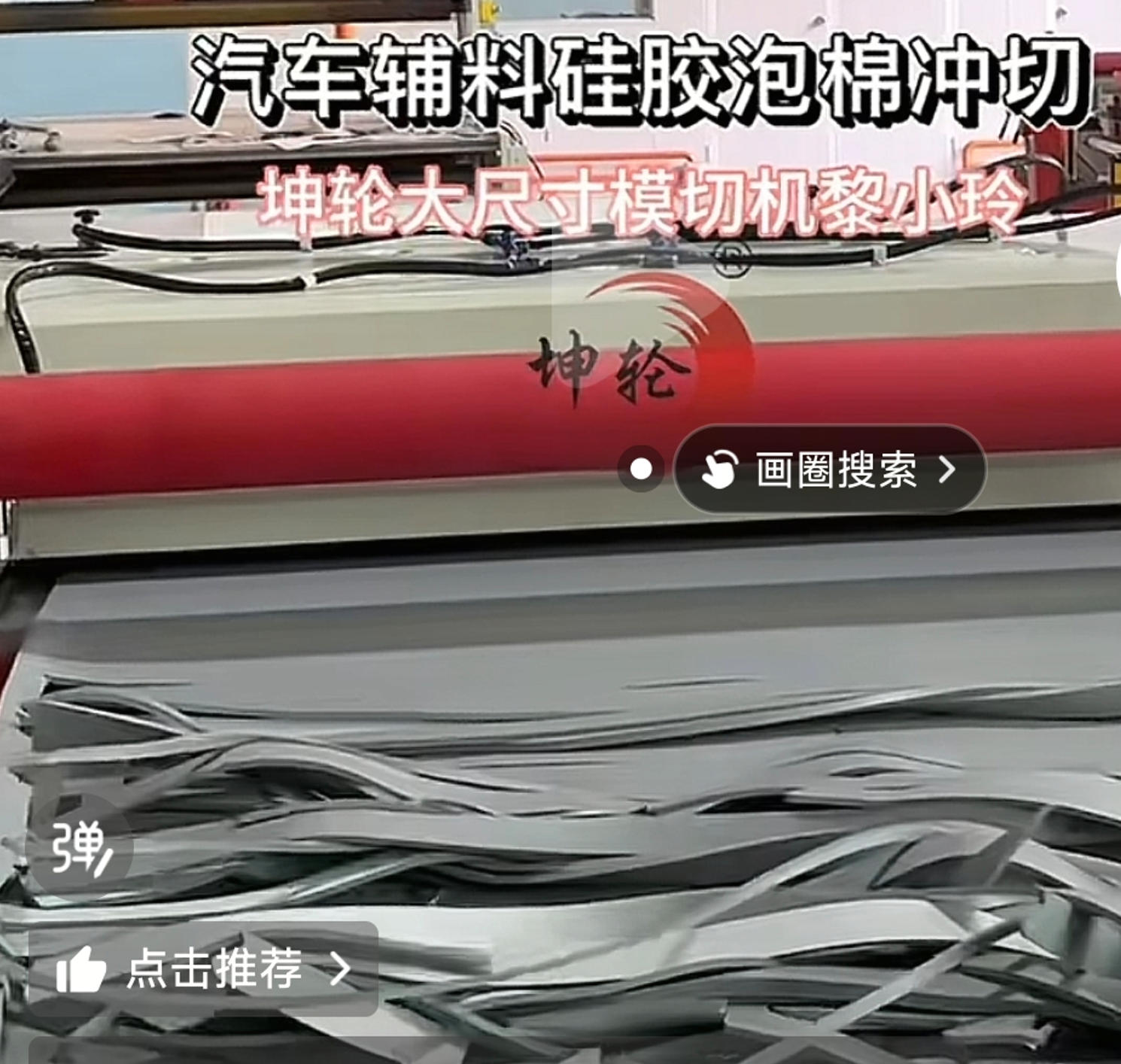
The above picture shows the operation scene of high-precision die-cutting and stamping equipment. It can accurately input size parameters to complete the cutting of sealing strips of various special-shaped and conventional sizes. The cut edges are smooth and burr-free, with controllable size errors, perfectly adapting to the sealing specifications of battery pack outer frames.
This process relies on high-precision cutting and stamping equipment. Product size parameters are input in advance, and cutting or stamping processes are adopted respectively for different shapes such as strips, special shapes and closed loops. Cutting precision is strictly controlled during processing to avoid burrs, gaps, size deviations and other problems, ensuring that each semi-finished sealing strip has accurate size and smooth edges. We are capable of mass standardized production while balancing production efficiency and product precision, fully supporting customized development and processing of various custom silicone foam gaskets for EV battery to meet the customized needs of different customers. Both conventional size gaskets and special-shaped sealing parts can be accurately processed and molded.
For closed-loop sealing strips such as annular and frame-shaped ones, the cut semi-finished products need to undergo a manual bonding process to complete the final structure, which is also a key step to ensure the overall sealing performance of the sealing strips. The whole process adopts manual bonding by the semi automatic bonding machine
Below also the working video of the semi automatic bonding machine for joining silicone foam gaskets into o rings with high temperature of 135 -140 degrees by AB silicone adhesive . the cured silicone adhesive is waterproof and high temperature resistant which is same property as silicone rubber 。
WORKING VIDEO :
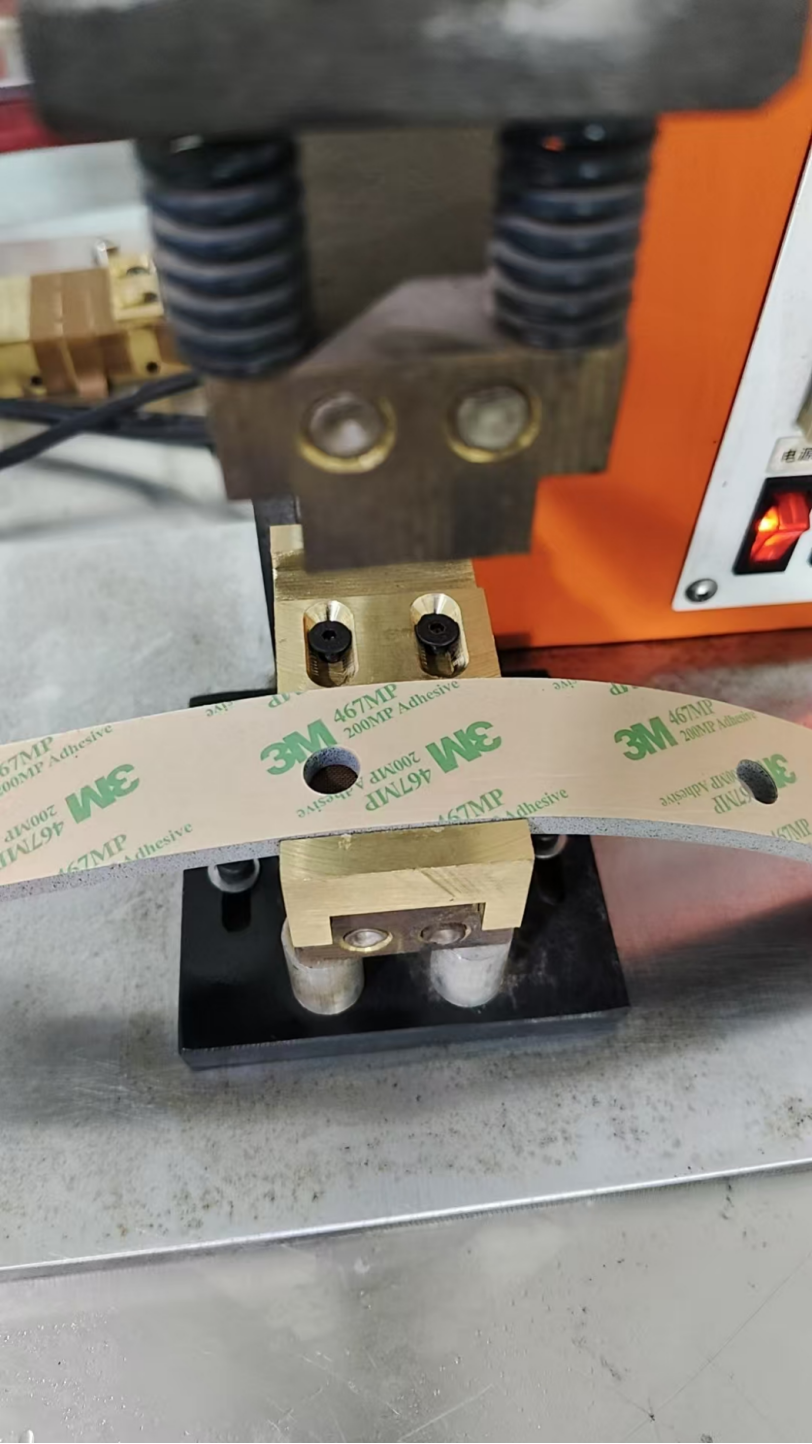
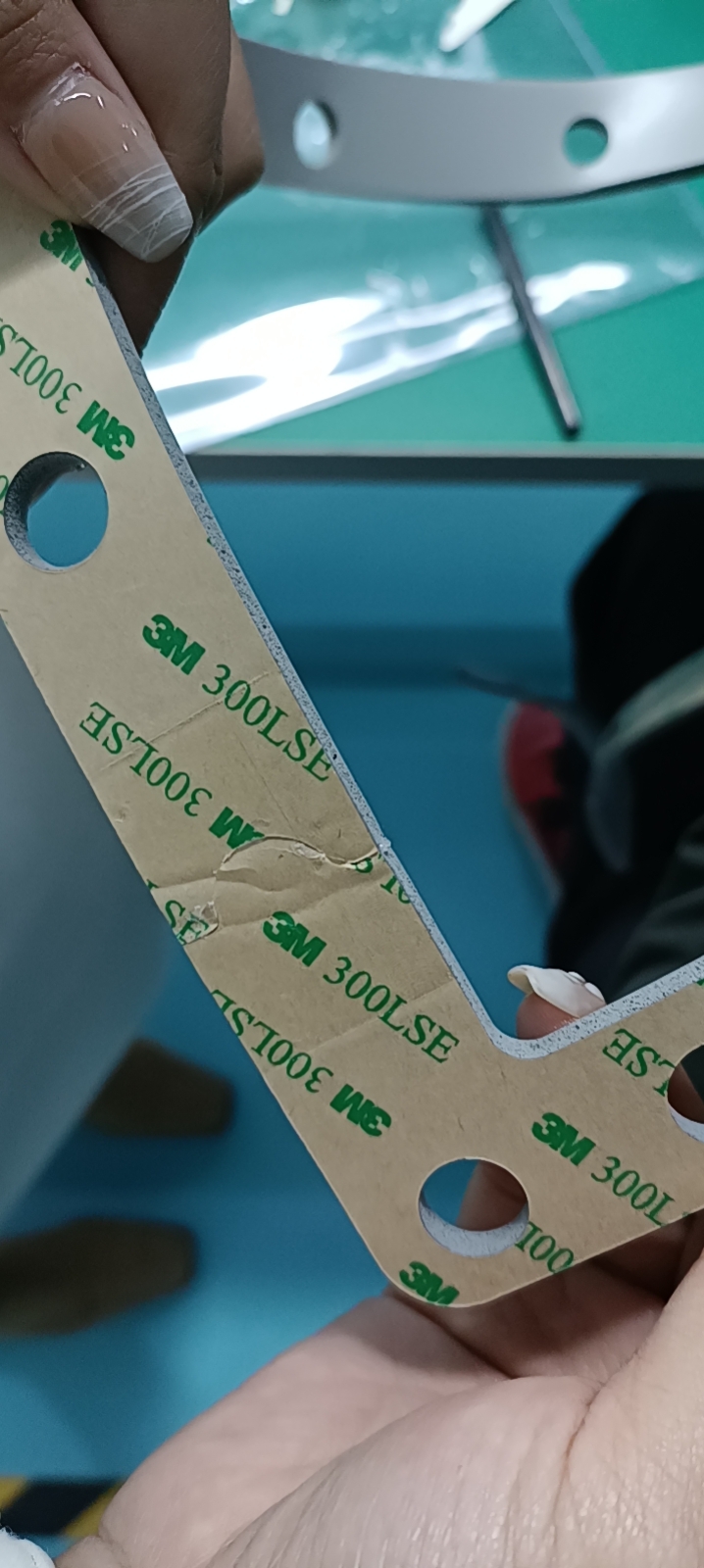
The above picture shows the standardized bonding operation scene of workers. The interfaces of sealing strips are accurately aligned and firmly pressed to eliminate gaps and misalignment, ensuring the sealing integrity of closed-loop sealing strips and the bonded sealing gaskets meeting the waterproof and dustproof sealing standards of new energy vehicle batteries.
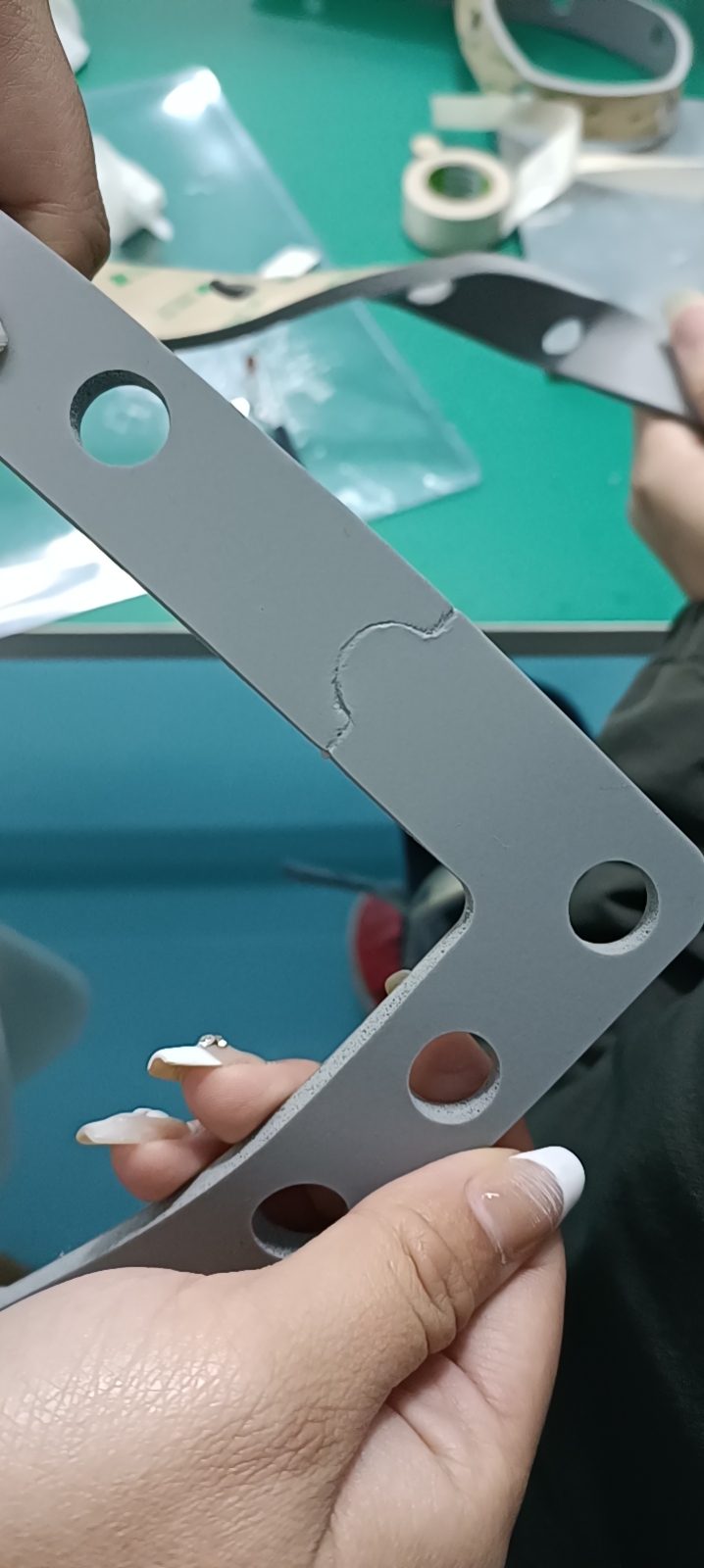
This manual fine bonding process is also applicable to the final bonding of various custom silicone foam gaskets for EV battery with special structures. After bonding, the sealing performance and surface flatness of each finished product are inspected one by one, and defective products with poor bonding, interface misalignment or surface damage are eliminated, ensuring that every finished product meets all indicators for new energy vehicle battery enclosure sealing.
Silicone foam sealing strips for new energy vehicle batteries produced through the complete process need to undergo multiple inspections before leaving the factory, including size, appearance, sealing performance, flame retardant performance and high temperature resistance, and can only be stored and delivered after passing the inspections. The finished products feature closed-cell foaming, fine cells, strong tensile property, high resilience, good toughness, 200°C high temperature resistance and flame retardancy. Used for the outer frames of new energy vehicle battery packs and electronic and electrical appliance enclosures, they can achieve effective dust and water prevention, fully complying with the sealing standards of the new energy industry.
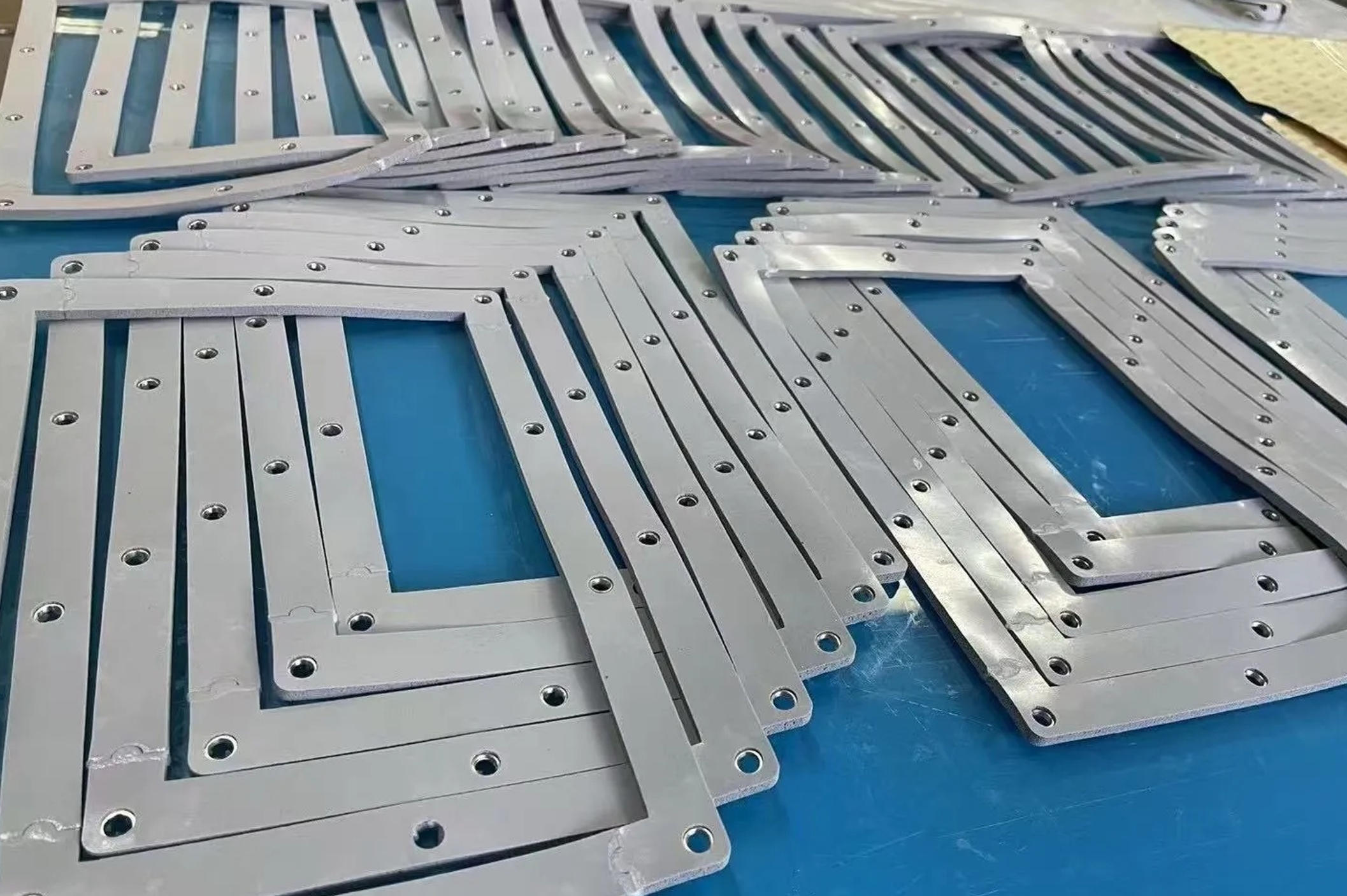
The finished sealing strip, which has regular molding, firm bonding and smooth surfaces, and can be directly used for the assembly of new energy vehicle battery packs to meet all-round sealing and protection requirements and after inspection they are packed up in good order .
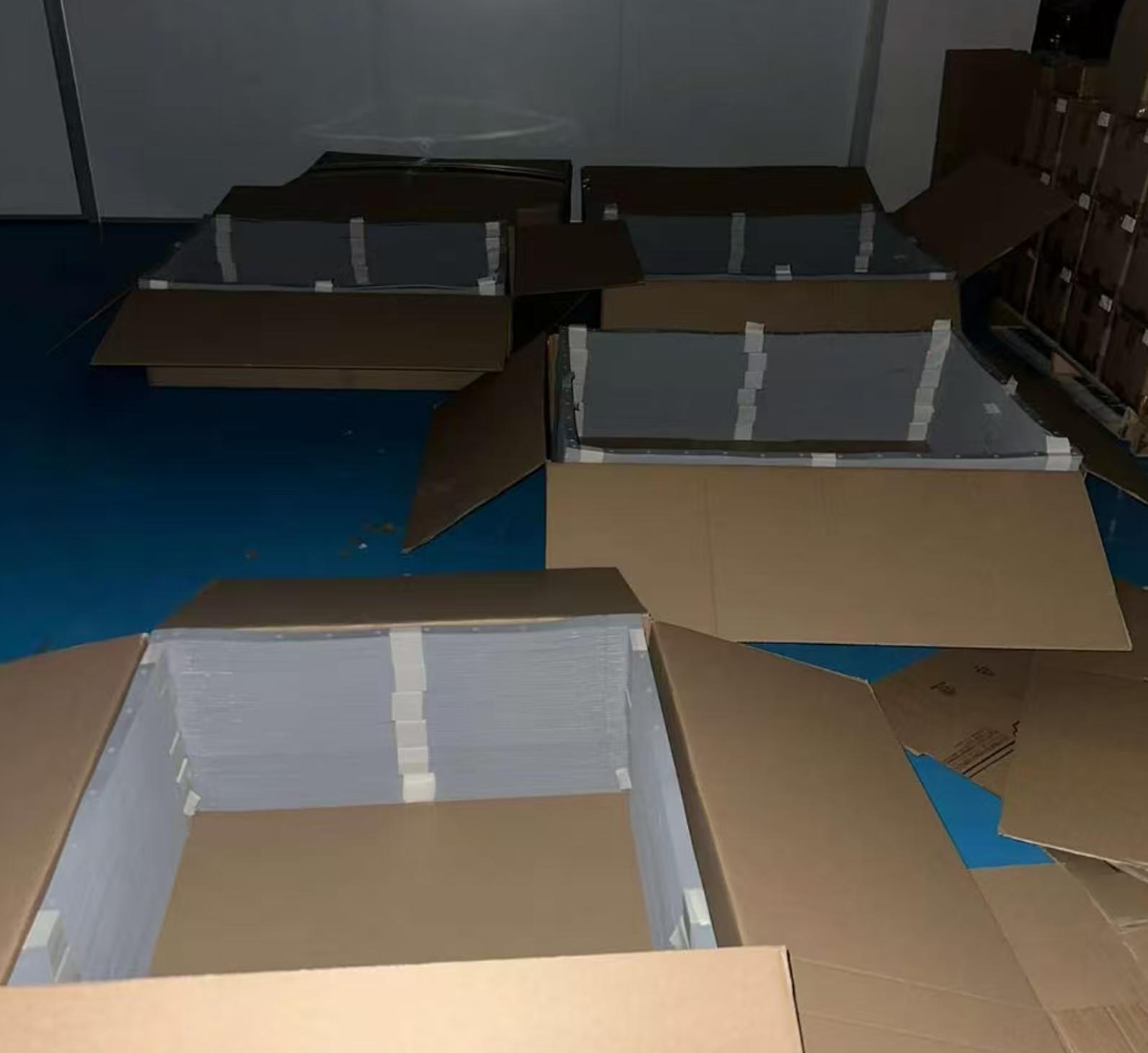
From liquid foamed substrate preparation to precision adhesive backing, customized cutting and manual bonding
), each process abides by strict process standards and quality control, taking into account product performance and customization flexibility. It can not only meet standardized mass production of conventional sealing strips, but also undertake personalized customization of all kinds of custom silicone foam gaskets for EV battery, fully adapting to the sealing and protection needs of new energy vehicle batteries and various electronic and electrical appliances.


 Home
Home Customized Silicone Tubing for Wastewater Treatment and Water Filtration
 Dec 04,2025
 +86 18811880172
 info@sisealpro.com